
Nigeria’s Economic Reforms Averted Collapse, Finance Minister Says
By Cynthia Okere, Lagos
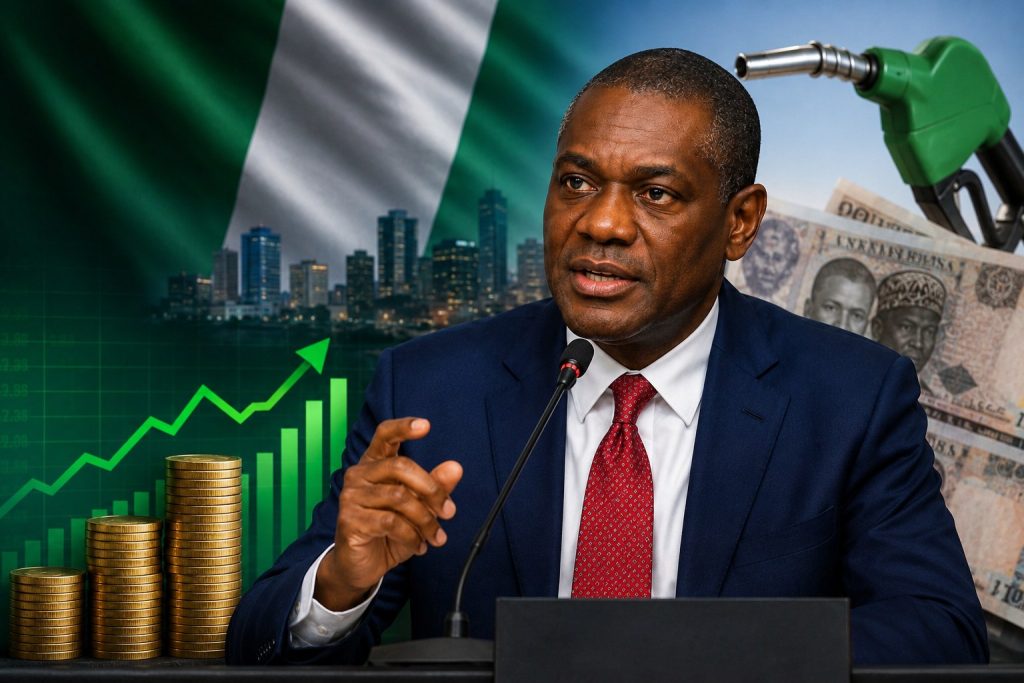
Nigeria’s Minister of Finance and Coordinating Minister of the Economy, Taiwo Oyedele, says economic reforms introduced by President Bola Tinubu’s administration helped the country avert a potential economic collapse and strengthen public finances.
Oyedele said the removal of petrol subsidy and reforms in the foreign exchange market generated about ₦15.8 trillion in savings between June 2023 and December 2025, while improving government revenues.
He also said the reforms had strengthened the finances of state governments, many of which previously struggled to meet salary obligations.
According to the minister, the gap between Nigeria’s official and parallel market exchange rates has also narrowed significantly following changes to the foreign exchange system.
The Tinubu administration began major economic reforms shortly after taking office in 2023, including removing petrol subsidy and allowing greater market determination of the naira.
While the government maintains that the measures were necessary to address mounting fiscal pressures, Nigerians have faced higher fuel, transport and food costs as well as broader cost-of-living pressures.
Oyedele said the government would continue pursuing reforms aimed at strengthening economic growth, creating jobs and improving living standards.
The success of the reforms will, however, increasingly be judged by how quickly improvements in government finances translate into better economic conditions for Nigerian households.