
Trinity University VC Advocates Indigenous-Language Education, Compulsory Skills Training
By Cynthia Okere, Lagos
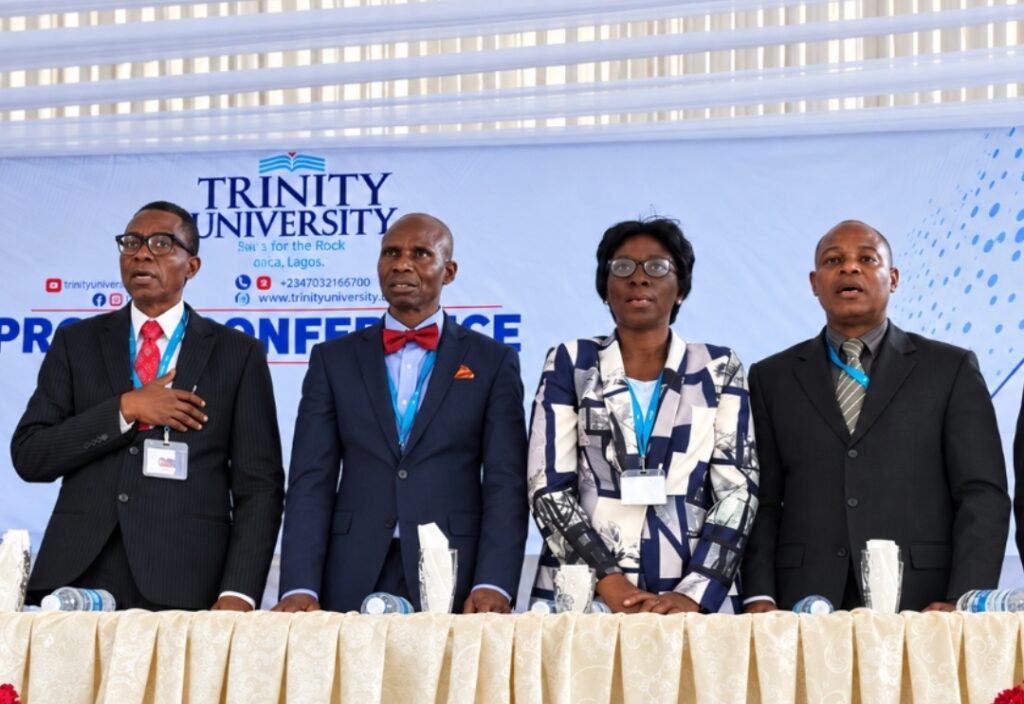
The Vice-Chancellor of Trinity University, Professor Clement Kolawole, has called for the integration of Nigerian languages into formal education, warning that discouraging their use would undermine the country’s educational and cultural development.
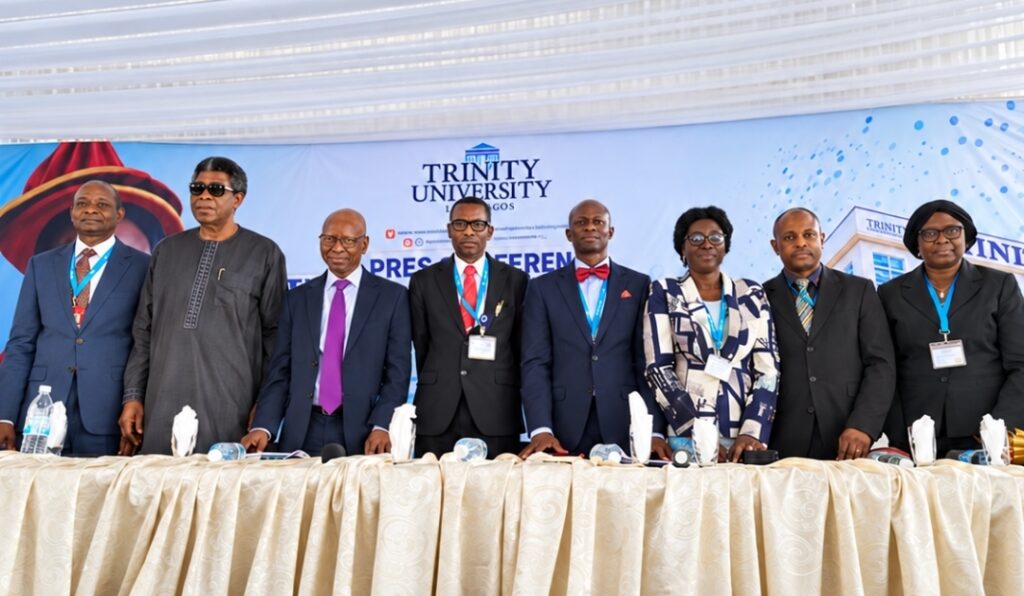
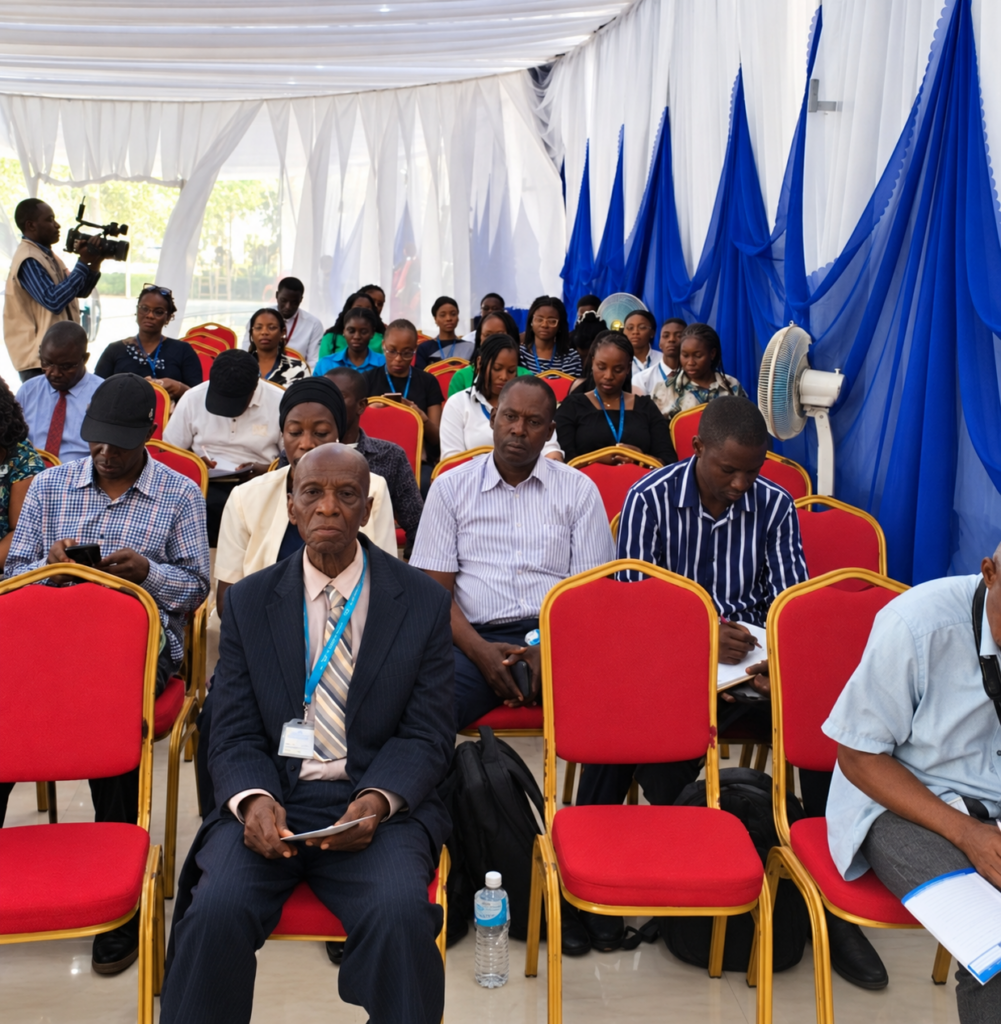
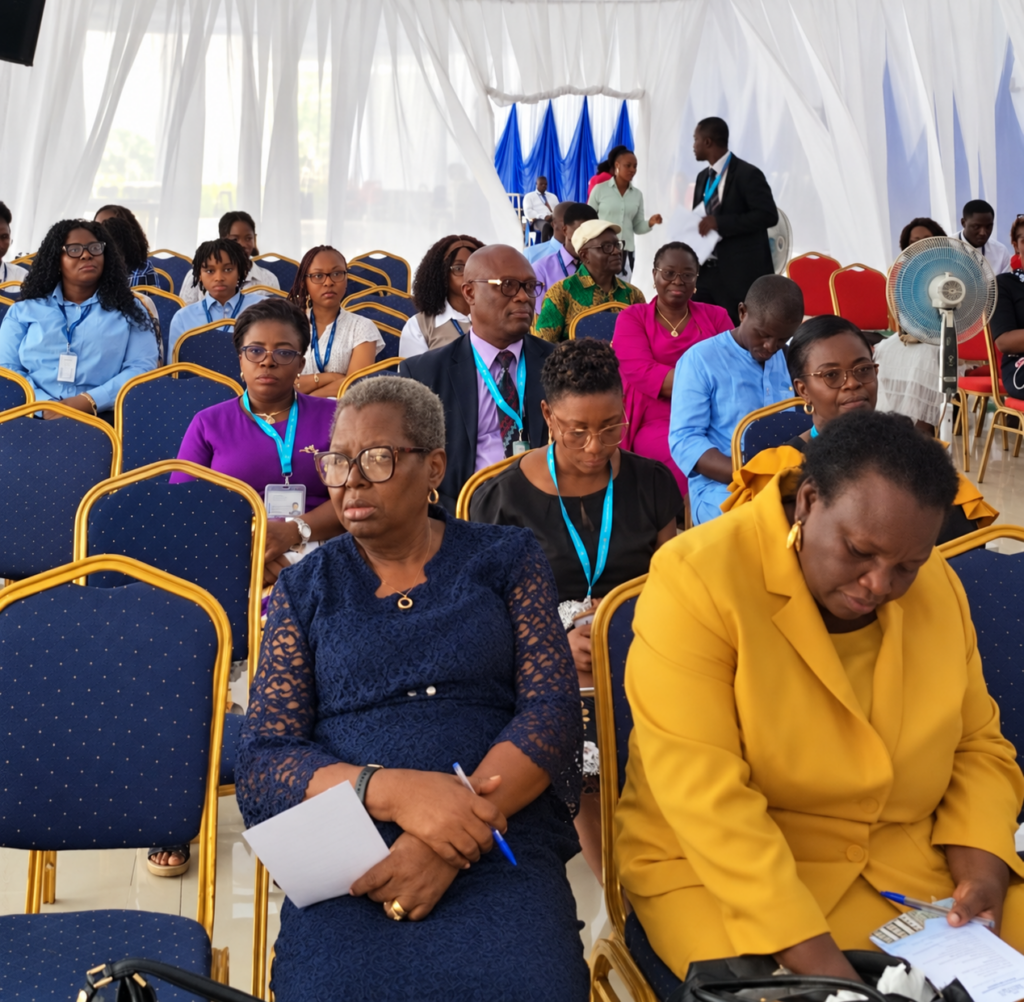
Kolawole made the call during a press conference in Lagos ahead of the university’s fifth convocation ceremony.
He said Nigeria would benefit from developing formal education through indigenous languages, adding that any proposal to remove them from the education system should be reconsidered immediately.
“It is a disservice for a nation to outlaw its indigenous languages. It will be an advantage to the country to develop formal education through the medium of indigenous languages,” he said.
The vice-chancellor also proposed a compulsory one-year skills acquisition programme for young Nigerians after secondary school and before admission into higher institutions.
According to him, children between the ages of 15 and 16 should be exposed to vocational and practical training at dedicated skills acquisition academies before proceeding to universities arguing that universities should primarily deepen knowledge while collaborating with other institutions responsible for practical and technical training.
“Let them go through the programme mandatorily before entering the university because universities are established to deepen knowledge, not merely to teach skills. Knowledge without skills is a disaster waiting to happen. It is knowledge that drives the acquisition and deployment of skills.” Kolawole said.
To address gaps between academic research and the needs of society, the vice-chancellor urged the government to strengthen collaboration among universities, polytechnics, research institutions and industries.
He proposed that industries operating within each state should contribute a percentage of their services or income towards supporting universities and research.
“Universities in every state must be linked with industries. Industries should support universities so that research findings will no longer die on the shelves,” he stated.
 Kolawole also called for greater emphasis on character development, assessment and discipline in tertiary institutions, noting that certificates should only be awarded to students found worthy in both character and learning.
“Any student who is not worthy in character should not be issued a certificate. Universities can establish policies stating that students with serious deficiencies in character will not receive certificates,” he said.
He maintained that such measures could help address corruption and misconduct in the country.
“At Trinity University, we take character seriously because we are committed to producing graduates who will be our pride anywhere in the world,” the vice-chancellor added.
He commended the Nigerian Government for reforms and interventions in the education sector, particularly through the Nigerian Education Loan Fund, NELFUND, and the Tertiary Education Trust Fund, TETFund.
Also speaking, the Pro-Chancellor and Chairman of the Governing Council of Trinity University, Samuel Olatunji, said the institution had produced graduates who were making significant contributions globally in scholarship, industry and professional practice.
Olatunji commended members of the Governing Council for their commitment to developing the university’s infrastructure and ensuring that it produces graduates with sound character and intellectual competence.
 The fifth convocation has the theme, “Convoking a Galaxy of Trinity Stars: Shining the Trinity Light to the World.”
According to the university, the theme reflects its commitment to raising graduates who will uphold and project its values wherever they go.
Activities scheduled for the convocation week include professional induction ceremonies for Nursing Science and Medical Laboratory Science graduates by their respective regulatory councils, an alumni homecoming, a convocation lecture, a thanksgiving service and the conferment of degrees and awards on deserving graduates.
 Kolawole said the university had continued to record steady progress, adding that detailed figures, the names of prize winners and other major announcements would be disclosed during the convocation ceremony on Friday.