Expert urges African churches to combat toxic beliefs.
By Admin, September 11, 2025
African churches have been urged to undertake an urgent and courageous renewal to combat the widespread presence of “toxic beliefs and twisted morals” currently affecting the society.
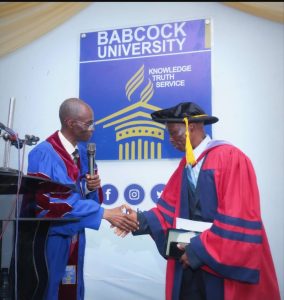
Professor Efe Ehioghae of Babcock University made this known in his 55th inaugural lecture, titled: “Toxic Beliefs, Twisted morals: The Urgency of Theological Detox in a Morally Disoriented Age.”
According to Prof. Ehioghae, both the communities of faith and the larger society need a “divine detox” from “wrong-headed beliefs and diluted morals” to restore ethical orientation.
He placed the responsibility on African churches to:
Confront “caustic moral disorientation and theological confusion.”
Resist cultural conformity and expose false doctrines.
Exemplify godly character and realign with the Gospel’s transformative power.
He said that as Africa struggles with toxic beliefs, “twisted morals now walk the streets as virtue,” making it impossible for religious institutions to remain “idly, unconcerned.”
He clarified that “Theological detox is not a rejection of faith but a return to its authentic core that truth convicts, liberates and transforms.”
Prof. Ehioghae’s core message is that reform must begin in the pulpits and seminaries.
He emphasized that only “a renewed mind and purified theology can heal a fractured world and restore the moral integrity of the church.”
His key recommendations include:
1. Educational and Theological Realignment
Curriculum Revision: Emphasize sound biblical interpretation, contextual theology, and ethics rooted in the life of Christ.
Theological Literacy: Promote grassroots theological literacy to empower lay members.
Reclaim Holiness: Advocate for the reclamation of the doctrine of holiness.
2. Church Leadership and Public Life
Prophetic Voice: The church must reclaim its prophetic voice against political corruption, exploitation, and ethnic violence, arguing that silence normalizes moral confusion.
Leadership Accountability: Christian leadership must be accountable, servant-oriented, and shaped by Christ’s humility.
Dismantle Idolization: Be decisive in confronting religious manipulation and dismantling the culture of unquestioned spiritual authority, noting that “toxic beliefs flourish where religious leaders are idolized.”
Ethical Frameworks: Develop African ethical theologies for public life that articulate robust ethical frameworks engaging public policy, environmental stewardship, and justice.
3. Ethical Discipleship
Integration: Integrate ethics into evangelism and discipleship.
Challenge Materialism: Directly challenge prosperity theology and material idolatry.
Mentorship: Foster inter-generational moral mentorship.
The lecture advocated that “Theology must not remain a private or purely academic affair but actively shape public conscience, influence governance and guide holistic societal transformation rooted in truth and African cultural realities.”