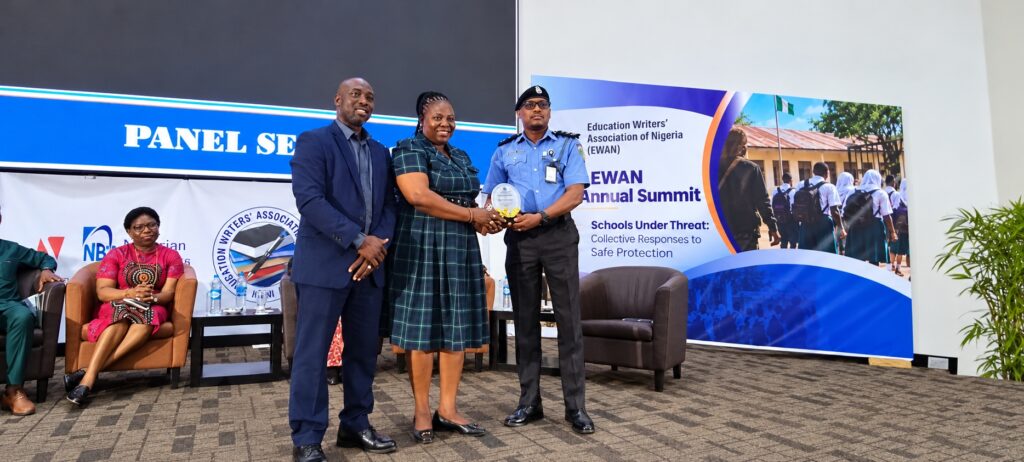
EWAN Summit: IGP, Education Stakeholders Demand Coordinated Security for Nigerian Schools
 By Cynthia Okere, Lagos
The Inspector-General of Police, Olatunji Rilwan Disu, education administrators and journalists have called for a coordinated national security framework that prioritises intelligence gathering, early-warning systems and emergency preparedness to protect Nigerian schools from violent attacks.
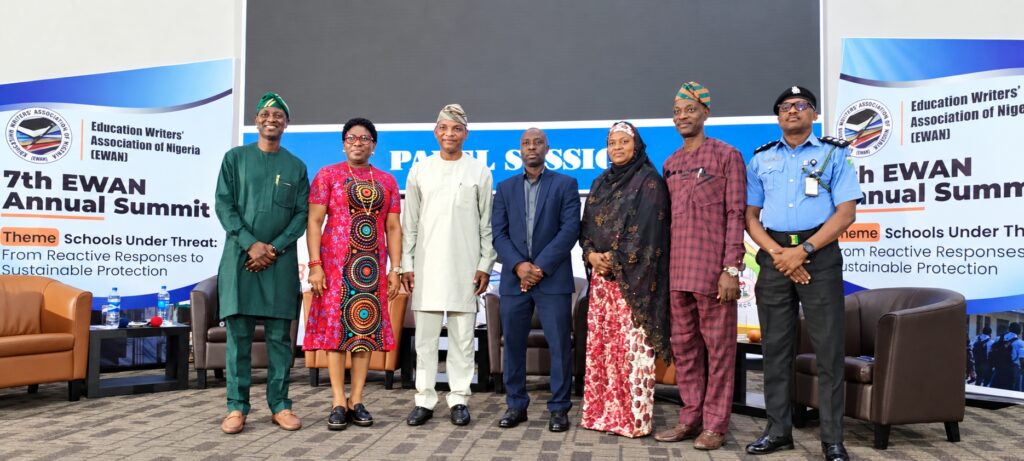
They made the call at the seventh Annual Summit of the Education Writers’ Association of Nigeria, EWAN, held in Lagos with the theme, “Schools Under Threat: From Reactive Responses to Sustainable Protection.”
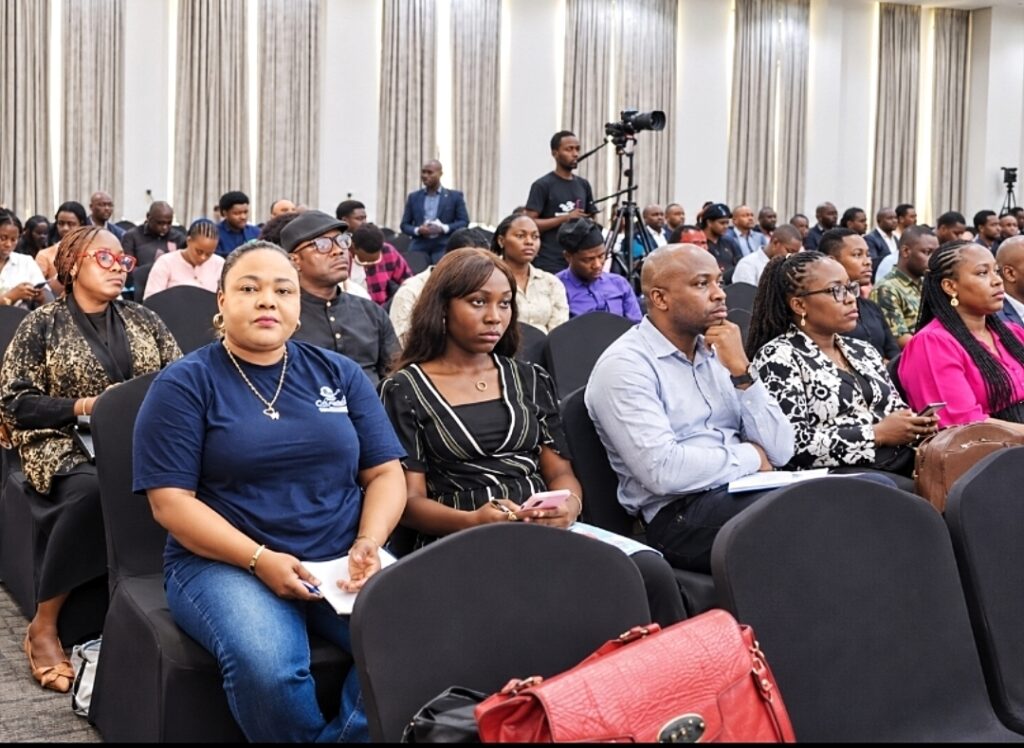
The summit examined measures required to protect pupils, teachers and educational facilities amid persistent cases of abduction, violent attacks and other security threats affecting learning in parts of the country.
In his keynote address, the Inspector-General of Police said school safety must be treated as a national security priority rather than a responsibility left solely to school administrators and security agencies.
Disu said the consequences of attacks on schools extended beyond the immediate victims, as insecurity disrupts academic activities, creates fear among families, weakens public confidence and may deny children access to education.
According to him, sustainable school protection requires Nigeria to move beyond emergency deployments and official statements issued after attacks.
“As Inspector-General of Police, I believe that prevention, early detection and timely intervention must remain central to our approach to school security. We must strengthen intelligence gathering, improve communication between schools and security agencies, identify security vulnerabilities and encourage the prompt reporting of credible threats.” he said
Disu therefore called for stronger cooperation among the Police, school administrators, traditional rulers, community leaders, parents’ associations and other stakeholders adding
that every school should develop safety arrangements and emergency procedures suited to its location, size and level of vulnerability.
Disu also advocated the responsible use of technology, including access-control systems, surveillance facilities and emergency communication channels and warned that technology would not guarantee safety without proper management, regular maintenance, staff training and effective coordination among relevant institutions.
On his path, the Chairman of the Governing Board of the National Universities Commission, Professor Oluwatoyin Ogundipe, called for a unified national school-safety architecture that clearly defines the responsibilities of the Nigerian Government authority.
Ogundipe advocated early-warning systems involving security agencies, communities, school authorities and the media to detect and address threats before they develop into attacks.
According to him, school protection should go beyond perimeter fencing, closed-circuit television cameras and other physical security measures.
“A protected school is not only one with physical security measures, nor is it one with perimeter fencing or CCTV; rather, it is one embedded in a stable, supported and resilient community security architecture,” he re-emphasized.
Ogundipe who was also the former Vice-Chancellor of the University of Lagos<span;> called for age-appropriate safety education that would equip learners to respond properly during emergencies without creating unnecessary fear.
Earlier, the Chairman of Education Writers Association of Nigeria EWAN, Mojeed Alabi, said journalism had an important role in preventing school attacks by drawing attention to warning signs, monitoring public expenditure and holding responsible institutions accountable.
Alabi said journalists must move beyond reporting the number of victims or schools closed after an attack and investigate the wider effects of insecurity on learners, teachers and communities.
He said reporters should establish whether vulnerable schools have emergency response systems, whether teachers have received safety training and whether communities have reliable channels for reporting suspicious activities.
“When authorities announce new security measures, our reporting should not end with the announcement. When funds are allocated, we should investigate whether they are used as intended. When investigations produce recommendations, we should return to determine what has changed.” Alabi stated.

Alabi said such reporting must be guided by accuracy and sensitivity, including the protection of vulnerable sources and the avoidance of operational details capable of endangering children, teachers or rescue operations.
He urged journalists to investigate the number of school days lost to insecurity, the support available to survivors, the rate at which affected pupils return to school and the long-term measures adopted to restore learning saying that attacks and other forms of insecurity can interrupt education, discourage school attendance and expose girls and children from disadvantaged backgrounds to additional risks.
He also called on newsrooms to invest in collaborative investigations, work with researchers and education specialists, and use radio, television, newspapers, digital platforms and community media to widen public understanding of school safety.
“Children are not safe until every school is safe, and every child deserves the opportunity to learn without fear,” the EWAN chairman said.
He also appealed to governments and security agencies to respond promptly to credible threats and communicate effectively with affected communities.
Highlights of the summit included panel discussions and the presentation of awards to deserving individuals and organisations.